
Pasta 101: A Comprehensive Guide to this Classic Italian Dish
- Pubblico Italian Eatery
- Jun 26, 2024
- 4 min read

Table of Contents:
What is Pasta Exactly?
What is Pasta Made Of?
Where Did Pasta Come From?
Pasta 101: Get to Know The Different Pasta Varieties
Long Pasta Noodles
Short Pasta Noodles
Tubed Pasta Varieties
Stuffed Pasta Varieties
Pubblico Italian Eatery Signature Pasta Dishes
Conclusion
People Also Ask:
What type of food is pasta?
Pasta is a type of noodle that's typically made from durum wheat, eggs, or water.
What country is known for pasta?
Italy is world-famous for its variety of pasta noodles, delicious pasta dishes, and recipes.
What is Pasta Exactly?
Pasta is a type of food commonly formed into dough sheets and other shapes. It's then cooked through baking or boiling in water.
When you think of pasta, chances are you're thinking of an entrée including tomato-based or cream sauce atop a pile of:
Spaghetti
Linguine
Fettuccine
Serving pasta this way is traditional and common across Italy and in Italian restaurants here in the United States.
What is Pasta Made Of?
Most pasta noodles are made from either durum or semolina flour. Both types of flour are milled from the durum wheat plant. The difference is that semolina is ground more coarsely, giving the pasta a heavier texture. It's often used for pasta noodles that need to hold a distinct shape, like macaroni.
Other types of pasta flour varieties include:
Whole Grain
Gluten-Free
Buckwheat
Cornmeal
Being more finely ground, durum flour gives the pasta a lighter texture. This type of flour is often used to make spaghetti and lasagna noodles. The softer texture provides the pasta with noodles more pliability during cooking.
Where Did Pasta Come From?
One of the most delicious and versatile foods globally, pasta has been a pillar of Italian cuisine for centuries. However, pasta's origins and history are as varied as its shapes.
Many people believe Marco Polo brought back pasta from China. While he did spend extensive time in China trading and learning about Chinese culture, according to many Italian food historians, pasta culture in the Mediterranean was thriving long before Marco Polo ventured east.
Giorgio Franchetti, a food historian and scholar of ancient Roman history, rejects the Marco Polo theory on the basis that the noodles Marco Polo brought back at the end of the 1200’s were made with rice and based on a much different culinary tradition.
Going a step further, Anna Maria Pellegrino, a food historian and a member of the Italian Academy of Cuisine explains:
“Noodles are one thing, pasta another food altogether. [Moreover,] the way they are cooked, the pots, the types of cereals used, the preparation, ingredients and toppings are completely different and specific to each civilization. There’s no direct link between the Asian and the Italian or Mediterranean ways of mixing cereals with water to create noodles or pasta.”
As for its introduction to the United States, Thomas Jefferson may have brought what is now known as macaroni and cheese back from Europe, but its popularity came later.
Italian immigrants brought their culinary traditions to the East Coast in the late 19th and early 20th century, pasta dishes being a major aspect of this.
But it wasn’t until American soldiers came home from WWII with a strong desire for the food they had while fighting abroad in the Mediterranean that pasta, followed by the commissioning of Chef Boyardi for army rations, that what we now know as Italian-American cuisine took off,
Pasta 101: Get to Know The Different Pasta Varieties
There are more than 600 shapes of pasta, each with a distinctive culinary purpose. Short pasta, long pasta, shapes that can be stuffed, pasta for soups and salads - the uses for this Italian food staple are limitless.
Our menu at Pubblico Italian Eatery a wide variety of exceptional pasta dishes that blend classic Italian recipes with bold, contemporary flavors.
Long Pasta Noodles
Spaghetti – Perhaps the most famous type of pasta, spaghetti goes well with thin or thick sauces and cold and hot recipes. It can be used in baked dishes, but the noodles must be boiled first.
Fettuccine – This flat, thick pasta is often used in dishes topped with Alfredo or other cream-based sauces.
Lasagna – Lasagna pasta is wide and flat sheets typically layered with cheese and sauce to create the dish. However, other ingredients can be added, such as meat, fish, and vegetables.
Linguine – Similar to fettuccine, linguine noodles are also flat and thick but not as wide. This pasta goes well with oil-based sauces and is often paired with chicken or fish.
Short Pasta Noodles
Shell – Also known as conchiglie, the shape of shell pasta allows it to hold heavy meat and cheese sauces. It also goes well with cold pasta salads. Shell pasta noodles come in large, medium, and small varieties that can also be easily baked.
Corkscrew – Corkscrew pasta noodles are curly-cued in shape and are also known as rotini. The shape makes for a perfect pairing with rich cream and tomato sauces.
Tubed Pasta Varieties
Penne – Penne pasta is medium-sized tubed noodles with angled edges. This type of pasta is ideal for salads and dishes with heavy sauces.
Rigatoni – Wider than penne, rigatoni noodles have ridges but no angled edges. Rigatoni is perfect for heavy sauce dishes.
Stuffed Pasta Varieties
Ravioli – Square or round pillow-shaped, ravioli is a stuffed pasta. The shape allows for any kind of eatable stuffing imaginable. Ravioli is also versatile, making it perfect for cream and tomato sauces. It is also delicious fried, baked, or breaded.
Pubblico Italian Eatery Signature Pasta Dishes
At Pubblico Italian Eatery, we make our signature pasta noodles from scratch. Chef Danny Garcia and his team make our our pasta-based dishes in-house and fresh daily to ensure freshness, quality, and taste.
Conclusion
Pasta’s history may be up for debate, and there’s enough types to make your head spin. But one thing’s for sure - nothing beats a fresh, homemade pasta dish.
We invite you to join us at Pubblico Italian Eatery for Italian cuisine that blends tradition with contemporary flavors in Phoenix and Scottsdale. Our locations feature a sleek but inviting atmosphere, outdoor dining, and spacious bars serving hand-crafted signature cocktails.
Be sure to join us for Happy Hour every day from 4 to 6 pm!
Click here to learn more about the Pubblico Story. And check out our post on our curated Italian wine list which we rotate quarterly. 🍷
Join us for Happy Hour
ALL DAY Monday
4 - 6 PM on Tuesdays through Sundays
PLUS Happy Hour Drink Pricing
Saturday & Sunday 11AM - 6PM
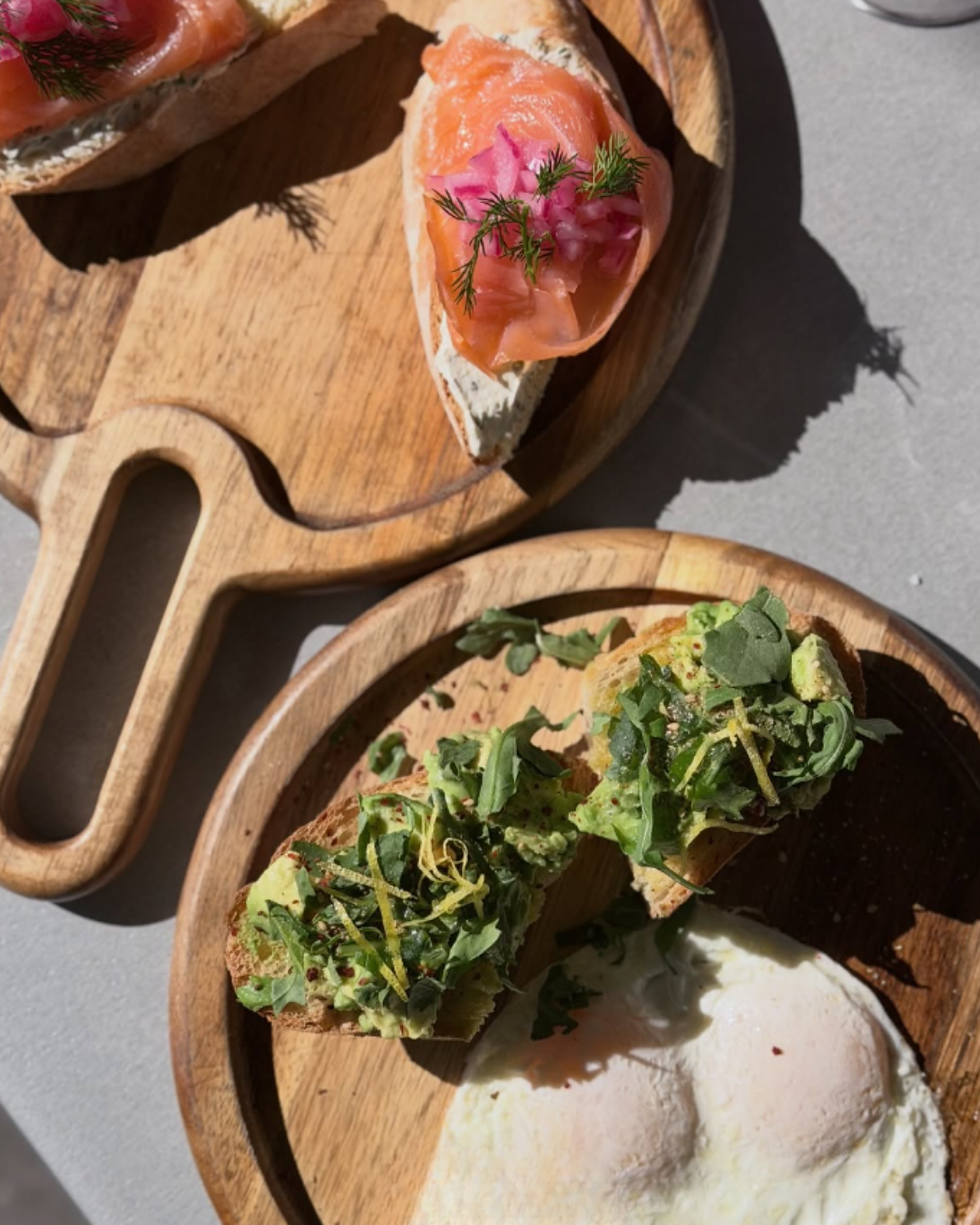


Raising rainbow trout successfully requires cold, clean, and well-oxygenated water—ideally between 10°C and 16°C (50°F–60°F)—as they are sensitive to temperature fluctuations and poor water quality. They can be farmed in various systems, including raceways, tanks, ponds, or recirculating aquaculture systems (RAS). How To Farm Rainbow Trout Stocking density should be carefully managed to avoid stress and disease, and trout should be fed a high-protein diet appropriate for their life stage. Regular monitoring of water parameters (like dissolved oxygen, ammonia, and pH), along with good biosecurity practices, helps ensure healthy growth and minimize mortality. With proper care, rainbow trout can reach market size (around 1–2 lbs) in 12–18 months.
While I was learning more about pasta from this guide, I also found sleep improvement tips incredibly helpful for balancing a busy life with healthy habits. Pairing good food with quality rest makes all the difference thanks for the delicious insights.
Mình có lần lướt đọc mấy trao đổi trên mạng thì thấy nhắc tới https://bong88a.sa.com/ trong lúc mọi người đang bàn về các trang tổng hợp thông tin bóng đá, nên cũng tò mò mở ra xem thử cho biết. Mình không tìm hiểu sâu, chỉ xem qua trong thời gian ngắn để quan sát bố cục và cách sắp xếp các mục nội dung chính. Cảm giác là trình bày khá gọn, thông tin chia mục rõ ràng nên đọc lướt cũng không bị rối, với mình như vậy là đủ để nắm thông tin cơ bản rồi.
I admire your ability to convey such detailed information in an accessible way. This piece is a significant addition to the field and enjoyable to read. cowboy safari
I didn't know there were over 600 shapes of pasta. Reading about the history, especially the Marco Polo bit, makes you wonder about 'grow a garden cooking recipes ,' doesn't it? Sipping my coffee, I'm now craving some linguine!